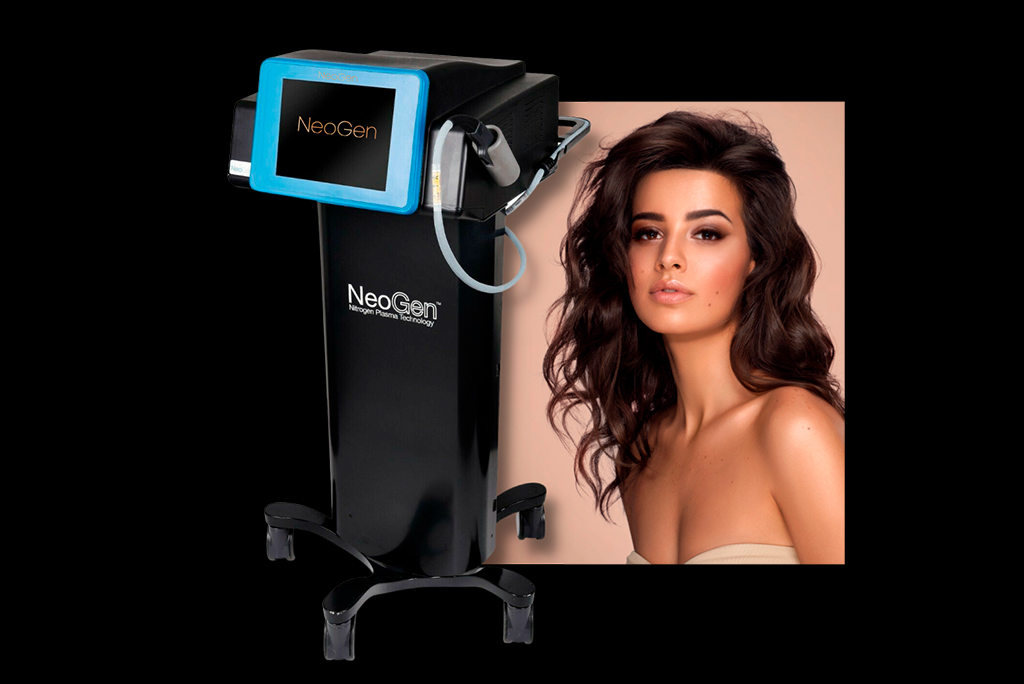
Practices researching Neogen often run into the acronym “PSR” before they fully understand what it stands for or how it changes the buying decision. PSR stands for Plasma Skin Regeneration — and understanding what that actually means in practice is the starting point for evaluating whether Neogen is the right addition to your treatment menu.
What “plasma skin regeneration” actually means
Unlike lasers, which use light energy, plasma devices like Neogen use ionized nitrogen gas to deliver controlled thermal energy to the skin. The distinction matters clinically: plasma energy transfers heat directly to tissue in a way that supports collagen and elastin remodeling in the dermis, while the device is designed to minimize damage to the skin’s surface layer compared to fully ablative technologies. That’s the core of what “regeneration” refers to — the treatment is aimed at rebuilding skin structure over time, not just resurfacing the top layer.
How the treatment protocol works
A typical Neogen protocol involves passes of controlled plasma energy across the treatment area, calibrated to the patient’s skin type and the concern being addressed. Downtime is generally shorter than with ablative resurfacing, though patients should expect some redness and a period of visible texture change as the skin’s surface responds before deeper remodeling becomes apparent — usually starting around the three-month mark.
Questions practices commonly ask when evaluating a plasma device
Before buying any plasma skin regeneration machine, it’s worth getting clear answers on: what skin types the device is validated for (Neogen is suited to skin types I–IV, which matters for practices with diverse patient populations); what the training and certification process looks like for new providers; the expected lifespan of handpieces or tips and what replacements cost; the typical treatment course length and how pricing is structured per session versus per package; and how downtime and recovery compare to other resurfacing options already on your menu.
Practices sometimes compare plasma devices against each other without asking these specifics, and end up making a decision based on brand recognition rather than fit. Getting concrete answers to the questions above is a better predictor of whether a device will get used consistently once it’s in the treatment room.
Where Neogen fits alongside other treatments
Because Neogen targets the dermis specifically, it’s commonly positioned alongside — rather than instead of — other skin quality treatments, and has become a common recommendation for patients dealing with facial volume loss following rapid weight change. Many practices introduce it as a natural next step for patients who’ve already tried lighter resurfacing or topical treatments and are asking for something more substantial without committing to surgery. It also pairs well with body-focused systems like T-Shape 2 for practices building a full-body rejuvenation offering.
Getting a clear answer for your practice
The right way to evaluate Neogen isn’t through a generic feature comparison — it’s by mapping the questions above against your specific patient base and current treatment menu. You can review full details on the Neogen page, or contact our team directly with your specific questions about protocol, pricing, or training.